Find the Right Therapist for Social Anxiety – Transform Your Social Confidence Today
Expert Social Anxiety Therapists Who Understand Your Struggles and Provide Proven Solutions
If you’re reading this, you likely know the exhausting reality of social anxiety disorder. The intense fear before social events, the physical symptoms that betray your nervousness, the constant worry about being judged or embarrassed. Perhaps you’ve been avoiding social situations altogether, feeling trapped in a vicious cycle where isolation only makes the anxiety worse. You’re not alone in this struggle, and most importantly, you don’t have to face it alone.
Social anxiety specialists understand that what you’re experiencing goes far beyond ordinary shyness. This is a genuine mental health condition that affects everyday activities, from making eye contact with strangers to starting conversations or speaking up in meetings. The encouraging news is that specialised therapists have helped millions of people overcome social anxiety using evidence-based treatments that target the root causes of your fears.
Taking the step to seek professional help is actually one of the bravest things you can do. It shows remarkable strength to acknowledge that you deserve better than a life constrained by fear. With the right therapist and proven treatment approaches, you can learn to challenge negative thoughts, manage physical symptoms, and gradually build the self confidence to engage fully in social interactions.
Why Choose a Specialised Social Anxiety Therapist?
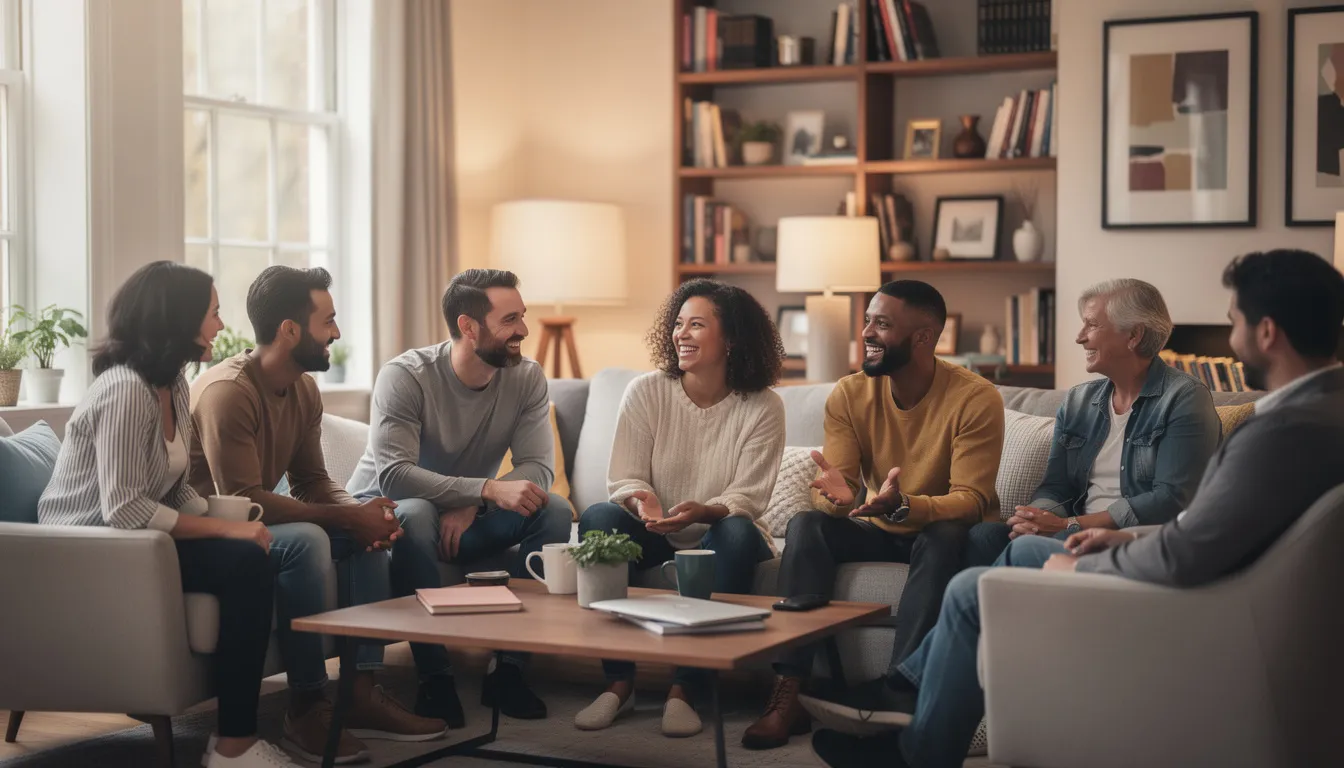
Finding the right therapist who truly understands social phobia can make all the difference in your recovery journey. Here’s why specialised treatment matters:
Evidence-Based Treatment Methods – Social anxiety specialists use cognitive behavioural therapy (CBT), exposure therapy, and other psychological therapies proven specifically effective for social anxiety disorder, not generic approaches that may miss the mark
Understanding of Social Anxiety Triggers – These therapists recognise the full spectrum of symptoms including physical signs like blushing, trembling, feeling sick, and extreme anxiety that can make certain social situations feel impossible to navigate
Safe Space to Practice – Your therapist provides a judgment-free environment where you can work through social fears gradually, practicing social skills and coping skills without the pressure of real-world consequences
Personalised Treatment Plans – Therapy is carefully adapted to your specific triggers, whether you struggle with all social settings or particular challenging situations like job interviews or social events
Long-term Coping Skills – Beyond immediate symptom relief, you’ll learn sustainable strategies for managing social anxiety, breaking safety behaviours, and preventing relapse into old patterns of avoidance
How Social Anxiety Therapy Works
Understanding the therapeutic process can help reduce some anxiety about starting treatment. Here’s what you can expect:
Step 1: Initial Assessment and Diagnosis
Your therapist will conduct a comprehensive evaluation of your symptoms of social anxiety, identifying specific triggers and understanding how the condition affects everyday activities. This includes detailed questionnaires about your social interactions, physical symptoms, and avoidance behaviours. Together, you’ll establish clear, achievable goals for your treatment journey.
Step 2: Learning About Your Social Anxiety
Through psychoeducation, you’ll gain crucial insights into how social anxiety disorder operates. Your therapist will help you understand the connection between negative thought patterns, physical reactions, and behavioural responses. This knowledge forms the foundation for breaking the cycle of unhelpful thinking that maintains social phobia.
Step 3: Developing Coping Strategies
Using cognitive behavioural therapy (CBT), you’ll learn practical techniques for managing anxiety symptoms. This includes cognitive restructuring to challenge negative thoughts, relaxation techniques for controlling physical symptoms, and mindfulness strategies for staying grounded in social situations. These tools become your personal toolkit for managing social anxiety.
Step 4: Gradual Exposure and Practice
Working closely with your therapist, you’ll slowly and safely face feared social situations through structured exposure therapy. Starting with less challenging scenarios and gradually building up to more difficult situations, you’ll discover that your feared outcomes rarely occur and that you can cope better than expected. This process rebuilds self confidence and creates positive social experiences.
What Makes Social Anxiety Therapy Different?
Social anxiety treatment requires specialised knowledge and approaches that general counseling may not provide:
Specialised Training in Social Phobia – Therapists receive specific training in anxiety disorders, understanding the unique challenges of social anxiety disorder versus other mental health conditions like panic disorder or general anxiety
Evidence-Based Approaches – Treatment relies on proven methods like cognitive behavioural therapy (CBT), exposure therapy, and acceptance-based treatments that research shows are most effective for reducing social anxiety symptoms
Understanding of Co-occurring Conditions – Social anxiety specialists recognise when depression, panic disorder, or other conditions accompany social phobia, ensuring comprehensive care that addresses all aspects of your mental health
Flexible Treatment Options – Whether you prefer in person sessions, online therapy through platforms, group therapy for practicing social skills, or accessing NHS talking therapies service, specialists can match treatment to your comfort level and needs
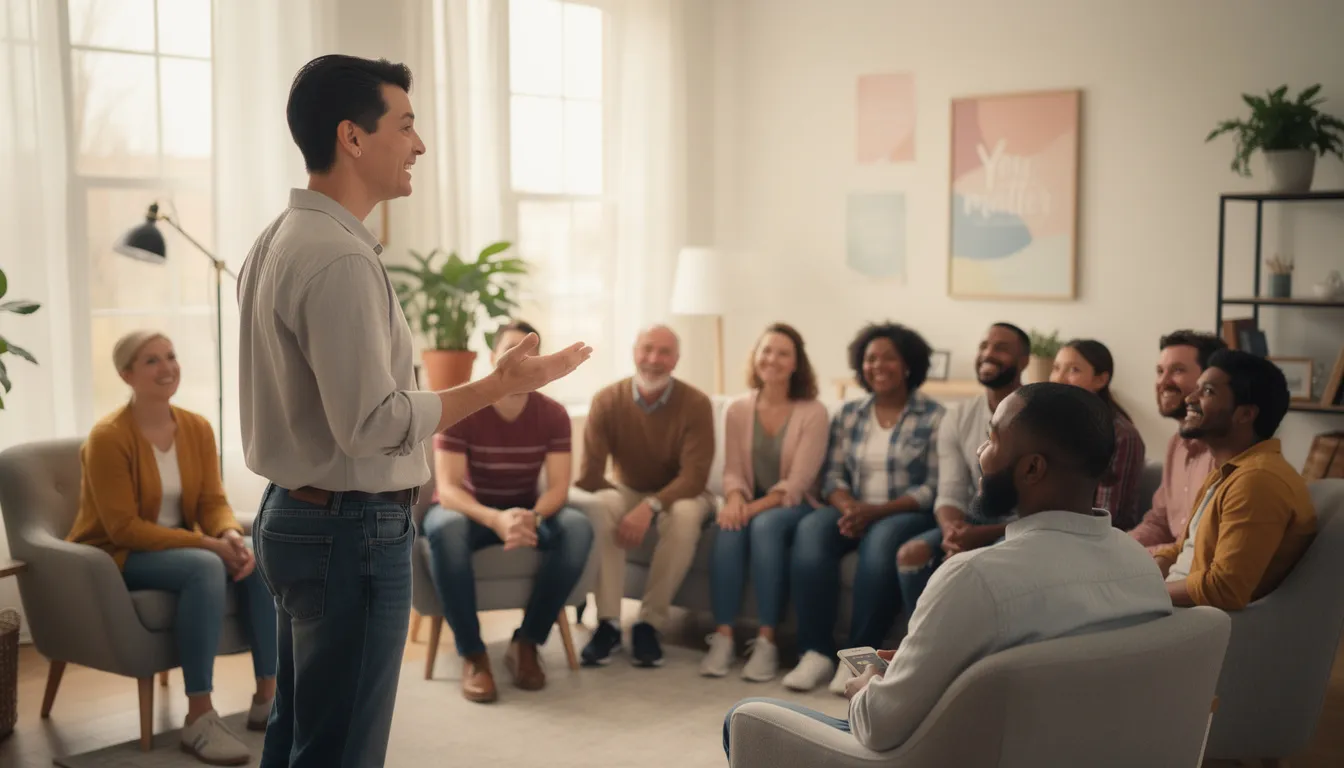
What Clients Are Saying About Social Anxiety Therapy
Real people have found genuine freedom from the constraints of social anxiety through specialised therapy:
💬 “I used to spend time worrying for days before any social event. Now I can attend parties and actually enjoy myself instead of keeping quiet in the corner. My therapist helped me realise that most of my fears were just in my head.”
— Sarah, Marketing Professional
⭐⭐⭐⭐⭐ “The exposure therapy seemed scary at first, but my therapist made it so gradual and supportive. I can now make eye contact, start conversations with new people, and even give presentations at work without feeling sick.”
— Michael, Teacher
💬 “I thought I’d always be socially anxious, but CBT helps you challenge those negative thought patterns that keep you trapped. Six months later, I’m dating, making friends, and living the life I always wanted.”
— Emma, Student
⭐⭐⭐⭐⭐ “My therapist understood that avoiding social situations was actually making my anxiety worse. Through practical exercises and building coping skills, I learned I was much stronger than I thought.”
— David, Engineer
Types of Social Anxiety Therapists and Costs
Finding the right mental health professional involves understanding your options and what you can afford:
Licensed Professional Counselors – Master’s level counselors who specialise in anxiety disorders and can provide effective treatment for social anxiety. Sessions typically range from £70-130, with various payment options available
Clinical Psychologists – Doctoral-level specialists in anxiety disorders who can provide comprehensive assessment and evidence-based treatments like cognitive behavioural therapy CBT. Sessions typically range from £100-200 privately, though many accept insurance or work within NHS services.
NHS Talking Therapies Service – Free psychological therapies including CBT for social anxiety, available through GP referral or self-referral. This includes individual therapy, group sessions, and self help resources.
Community Mental Health Centers – Local organisations often provide affordable or free therapy services with sliding scale fees, making treatment accessible regardless of financial situation.
Frequently Asked Questions About Social Anxiety Therapy
How long does therapy for social anxiety take?
Most people begin seeing improvement within 12-20 sessions of cognitive behavioural therapy, though this varies by individual. Some notice changes in anxiety symptoms within the first few sessions, while building lasting coping skills and self confidence may take several months of consistent work.
Will I have to do exposure therapy?
Exposure therapy is highly effective for social anxiety, but therapists always ensure it’s gradual and manageable. You’ll never be thrown into challenging situations without adequate preparation and coping strategies. The process is collaborative, and you maintain control over the pace.
Can online therapy help with social anxiety?
Yes, research shows online therapy can be just as effective as in person treatment for social anxiety disorder. For some people, starting with virtual sessions actually feels less intimidating and provides a comfortable way to begin working on social skills.
What if I’m too anxious to start therapy?
This concern is completely normal and something social anxiety specialists understand well. Most therapists offer brief phone consultations to discuss what to expect, and first sessions focus on helping you feel comfortable rather than jumping into challenging work immediately.
Do I need medication along with therapy?
While talking therapies like CBT are often sufficient for treating social anxiety, some people benefit from combining therapy with medication. Your therapist can help coordinate care with psychiatrists or your GP if medication might be helpful for your situation.
How do I know if a therapist specialises in social anxiety?
Look for therapists who specifically mention social anxiety disorder, social phobia, or anxiety disorders in their profiles. Ask about their training in cognitive behavioural therapy and exposure therapy, and don’t hesitate to inquire about their experience treating social anxiety specifically.
Take the First Step Toward Social Freedom Today
You’ve already taken the hardest step by researching treatment options for social anxiety. The path forward doesn’t have to feel overwhelming – thousands of people have successfully learned to overcome social anxiety and reclaim their lives through specialised therapy.
🔹 Find Your Social Anxiety Specialist Today 🔹
Start by searching therapist directories like Psychology Today, checking your insurance provider’s network, or contacting the NHS talking therapies service for free options. Remember, the first phone call is often the most challenging part, but it opens the door to a life where social situations become opportunities rather than obstacles.
💡 Your social anxiety doesn’t define you – it’s a treatable condition, not a permanent limitation.
🔒 Confidential Treatment | Evidence-Based Approaches | Specialised Social Anxiety Expertise
If you’re experiencing thoughts of self-harm or crisis, please contact emergency services immediately or call the Samaritans at 116 123 (free, 24/7). You deserve support, and help is always available.